
Published July 29, 2026
If your money is in Wealthfront or Chime, you should move it…. or should you?
You may have heard chatter about online banks like Wealthfront, or Chime being risky and how FDIC insurance won’t protect your funds there. Or how you’re doomed unless you move to a real bank. While the concern is very valid, it comes across to me, someone who builds financial products for a living, and educates people about them online, as fear mongering.
For context, a journalist published an investigative piece about the savings app called Yotta that lost about $85m that belonged to members who are yet to receive it 2 years later. Although that savings app broadcasted FDIC insurance, the Federal Reserve is not jumping in because a bank didn’t collapse, a technology company did. Thus, the PSA: all savings held in a non-bank bank, will disappear, with no recourse, if anything happens to that company. I thought the piece was very thorough and it finally brought mainstream attention to an event that we professionals in the industry watched unfold in real life. However, I wanted to share some practical advice I think you may find useful.
If you’ve ever seen the disclaimer on your fave financial product that says ‘xyz is not a bank, banking services provided by abc’, congrats you already know what a bank partnership is! From cashapp, to klarna – these partnerships are necessary because only banks are allowed to originate loans, and hold deposits in the US. Banks that you and I will never hear of in our lifetime are able to thrive economically because they have these partnerships with small and large software companies. Despite this, they are very difficult to forge because banks are highly regulated and won’t sign agreements with any software company.

Enter synapse, a venture backed startup founded in 2014 to make both parties find and trust each other quickly and efficiently. Yotta, the savings app whose members are out $85m, was a customer of Synapse. Synapse was managing deposit activity, and owned the direct relationship with the bank while Yotta focused on building a product their customers loved. The reason those members don’t have their funds back is that Synapse was spending their money.
Unlike Synapse, Wealthfront and Chime are publicly traded companies that are accountable to the Securities Exchange Commission, are subject to independent audits annually, and have to publish their financial standing every quarter where you and I can read them. I’m not saying these companies are beyond failure, but I’m pointing out that if Wealthfront or Chime was going to shut down, the public would see it coming.
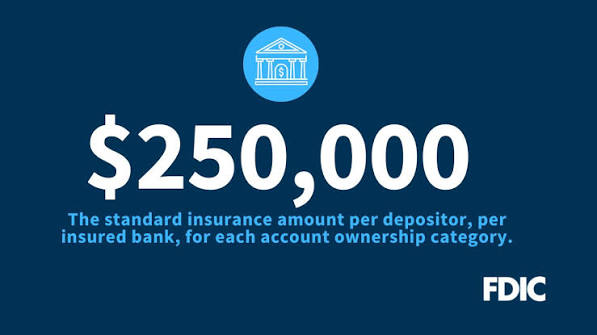
So now, let’s imagine these companies were going through public financial trouble and were on the verge of collapse, are your funds still safe? Would FDIC insurance really not save us all because they’re not banks? Yes, but you wouldn’t need FDIC insurance to save you because the 30+ partner banks they work with would just give you your money back. If they didn’t collapse, why would they hold your money hostage?
To this, you may retort and say; these technology companies are the ones managing our deposit activity even though the funds are sitting at the bank. How will Bank of Omaha know who gave them what if Wealthfront collapsed? As part of these bank partnerships, both parties perform reconciliation; a process where they both confirm that their deposit records match. This was actually how Evolve Bank & Trust noticed that there was a drift with Synapse, 18 months before the company collapsed. To perform reconciliation, you have to have access to each other’s deposit records. If Wealthfront or Chime collapsed, and their partner banks needed to return our funds to us, they would use those records to identify who gets what.
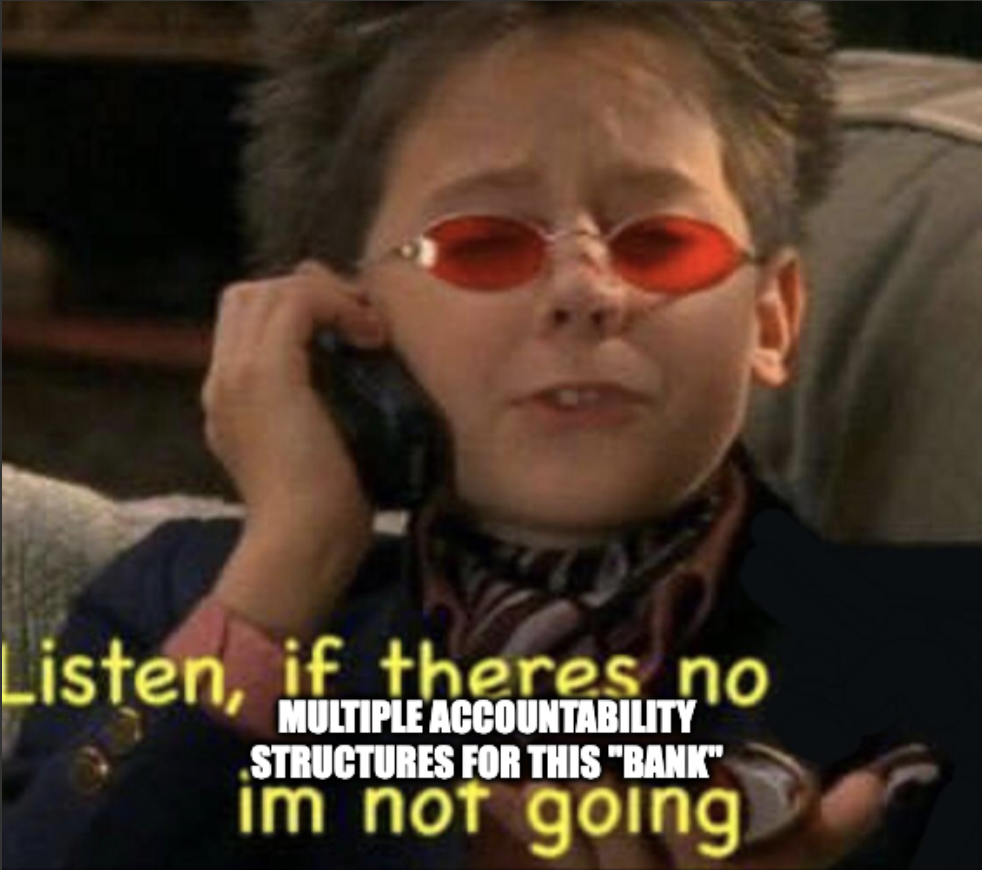
Even as an insider, I can empathize with being scared about where to put your money. So, my hope is that you research your own financial institution and notice what comes up about their bank charter, who they partner with, and who is holding them accountable. Obscure no-name online bank whose CEO publishes pieces against their customers? Maybe move your money. Online bank that you already hate how much interest they provide, and you’ve been thinking of moving from? Definitely move your money. Online bank that you see is publicly traded, and has been in business for 20+ years with no reliability issues, and you love banking with? Maybe stay a while!
I hope this quells any fears you have, and feel free to ask any questions you have! If you enjoy learning about how financial products work under the hood, listen to my monthly podcast episodes where I take you behind the scenes of products that I think are moving money right.
Further Reading
https://www.yalejournal.org/publications/the-synapse-collapse